
If the frame is not built correctly, it can create problems later. These may include uneven walls, poor roof alignment, cracked plaster, leaking windows, structural movement, and delays during inspections. This is why detailed building design and accurate architectural drafting are so important before construction begins.
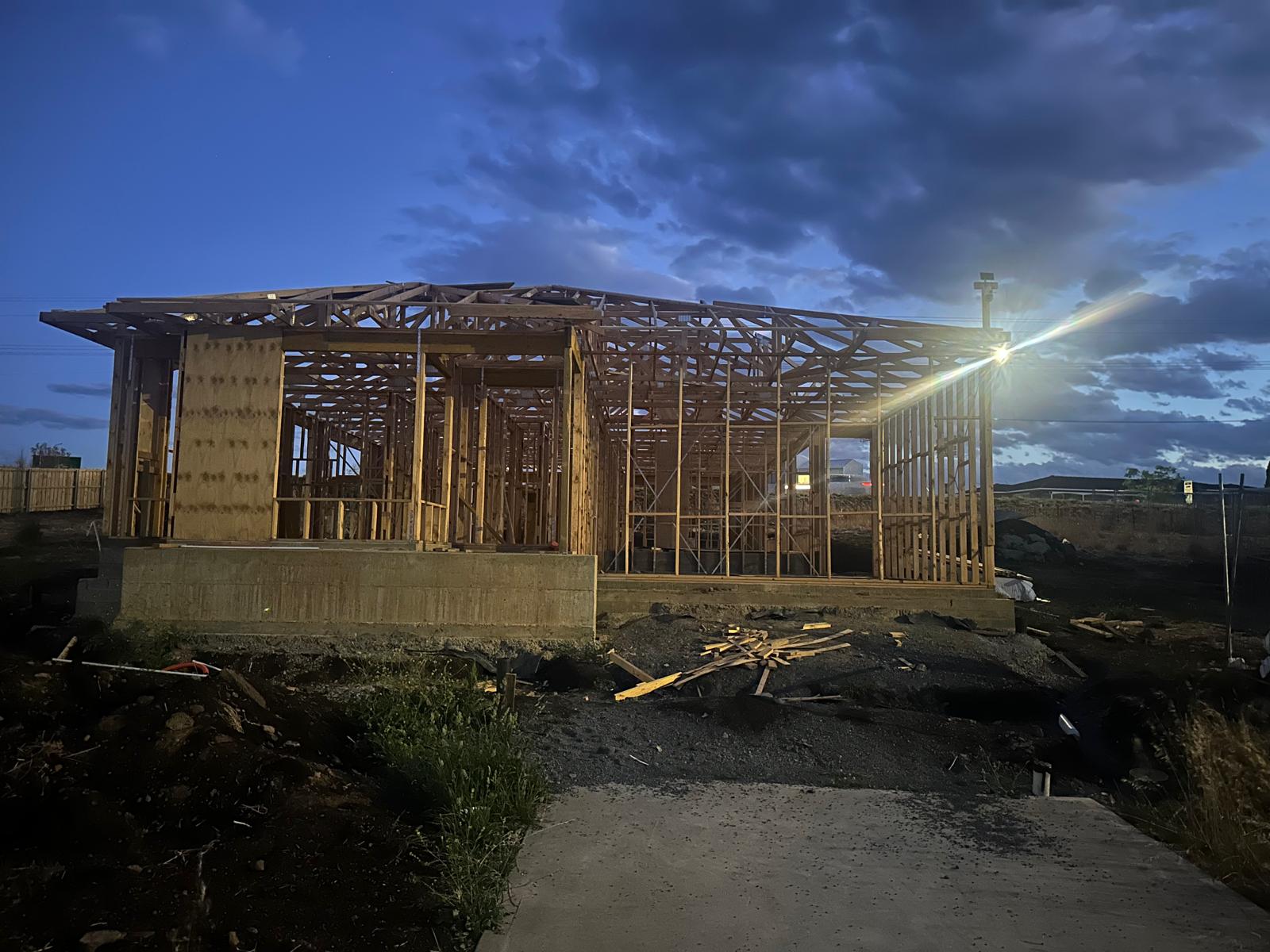
The frame stage is one of the most exciting parts of building a new home.
After weeks or months of planning, drawings, approvals, site preparation, and foundation work, this is the stage where your home finally starts to take shape. You can walk through the site and begin to see where the rooms, walls, windows, doors, and roofline will be.
For many homeowners, this is the first time the design feels real.
In this blog, we will walk you through what happens during the frame stage of a new home build, why it is so important, and what you should look out for as a homeowner.
The frame stage is the part of construction where the main structural skeleton of the home is built.
This usually includes:
In simple terms, the frame is what gives your home its shape, strength, and layout.
Before this stage, the site may only show footings, slab, stumps, or foundation work. Once framing begins, you can clearly see the size and form of the home. The rooms become visible. The roof shape starts to appear. The design starts to feel like a real building.
The frame stage is more than just putting timber or steel together. It is a key structural stage that affects the safety, quality, and long-term performance of your home.
A strong frame helps support:
If the frame is not built correctly, it can create problems later. These may include uneven walls, poor roof alignment, cracked plaster, leaking windows, structural movement, and delays during inspections.
This is why detailed building design and accurate architectural drafting are so important before construction begins. The builder needs clear drawings that show the correct dimensions, wall positions, roof structure, bracing, openings, and structural details.
Good planning at the design stage can save a lot of stress during construction.
Before the frame goes up, several important steps usually need to be completed.
The site must be prepared. The foundations, footings, slab, or subfloor structure must be completed according to the approved drawings and engineering requirements. Underground services may also be planned or installed, depending on the project.
Your builder will also review the construction drawings and engineering documentation before ordering materials. This helps confirm that the frame matches the approved design and structural requirements.
At this point, design coordination matters. The building designer, structural engineer, builder, and other consultants need to work from the same set of documents. If something is unclear, it should be resolved before work moves ahead.
This helps avoid confusion on site.
One of the first visible parts of the frame stage is the installation of wall frames.
These frames are usually made from timber or steel. Timber framing is common in many residential builds across Australia, while steel framing may be used for certain designs, locations, or project requirements.
The external wall frames are usually installed first. These define the outside shape of the home. Once they are in place, the internal walls are added to form the rooms, hallways, bathrooms, living areas, bedrooms, and storage spaces.
This is often the moment when homeowners start to understand the layout properly.
You can stand inside the future kitchen, walk through the hallway, or see how the living area connects to the outdoor space. It can feel very different from looking at a floor plan on paper.
During framing, openings are created for windows and doors.
These openings must match the building design and window schedule. Their size, height, and location all matter. A small change can affect the look of the home, natural light, ventilation, views, energy efficiency, and even compliance.
For example, a large window in a living area may be carefully placed to capture light or views. A sliding door may be designed to connect the internal living area with an outdoor entertaining space. Bedroom windows may need to meet ventilation or natural light requirements.
This is why accurate drafting is important. The builder needs to know exactly where each opening should go.
If a window or door opening is wrong, it can cause delays, extra costs, and design issues later in the build.
Once the wall frames are in place, the roof structure can begin.
This may involve prefabricated roof trusses or traditional roof framing, depending on the home design. Roof trusses are commonly used because they are made to suit the approved design and can be installed efficiently on site.
The roof frame is a major part of the home’s structure. It affects the overall shape, ceiling heights, roof pitch, drainage, insulation space, and external appearance.
This stage is also where the home starts to show its architectural character. A simple roof form can create a clean and modern look. A more complex roof may add interest, volume, and street appeal.
The roof frame must be installed carefully to meet engineering and building requirements.
Framing is not only about walls and roof structure. The home also needs bracing and tie-downs.
Bracing helps the frame resist forces such as wind and movement. Tie-downs help secure the structure from the roof down to the foundations.
This is especially important in areas exposed to strong winds, open sites, sloping blocks, coastal conditions, or specific soil and site constraints.
Your structural engineer will usually specify the required bracing and tie-down details. The builder then follows these details during construction.
These elements are not always obvious to homeowners, but they are essential for strength and safety.
Once the frame is standing, it should be checked against the approved plans and engineering documents.
This helps confirm that:
This is a key quality control step.
Small mistakes at the frame stage can create bigger issues later. For example, if a wall is in the wrong position, it may affect joinery, bathroom layouts, door swings, plumbing locations, or furniture placement.
A careful review helps protect the design intent and gives the next trades a better foundation to work from.
In many residential builds, a frame inspection is required before the next stage of work can continue.
The inspection checks that the frame has been built according to the approved documentation and relevant building requirements. The exact process may vary depending on the project, location, certifier, building surveyor, and local regulations.
The frame inspection may review items such as:
Once the frame is approved, the build can usually move forward to the next stages, such as roof cover, windows, services rough-in, insulation, and internal linings.
The frame stage shows the value of good design and documentation.
A well designed home is not only beautiful. It should also be practical to build, structurally coordinated, compliant, and suited to the site.
Our building design and drafting process focuses on creating clear, detailed, and buildable plans. This helps builders understand the design properly and reduces the risk of confusion during construction.
Good building design considers:
Even with good planning, construction can still bring challenges. The key is to identify and resolve them early.
Some common frame stage issues include:
Many of these issues can be reduced through accurate drawings, strong design coordination, and clear communication between the project team.
This is why choosing the right building designer matters. A detailed design process helps support the builder and gives the homeowner a smoother experience.
After the frame stage is complete and approved, the home moves into the next construction stages.
These may include:
We understand that a successful home build starts well before construction begins.
Our role is to help turn your ideas into clear, practical, and well coordinated building design documentation. We work across building design, architectural drafting, planning assessment, structural and civil design coordination, and project coordination for residential, commercial, and industrial projects.
For homeowners, this means we help create a strong foundation for the whole journey.
From the first concept to detailed construction drawings, our focus is on designing spaces that are functional, refined, and ready to move through the approval and building process with confidence.
The frame stage is a major milestone in a new home build.
It is the point where your home begins to rise from the ground and your plans become something you can walk through, feel, and experience. It is exciting, but it is also a stage where accuracy, structure, and coordination matter.
A well built frame starts with a well considered design.
With clear drawings, proper planning, and the right team around you, the frame stage can become a smooth and rewarding part of your building journey.
If you are planning a new home, renovation, or development, Urban Space Designers can help you move from concept to construction with clarity and confidence.
Ready to start your project? Get in touch with our team today and let us bring your vision to life.
Start your design journey with Urban Space Designers. Contact us today to learn how we can bring your designer dreams to life, ensuring a process as seamless and inspiring as the spaces we create.
Whether it's a cozy home, a dynamic commercial space, or an efficient industrial facility, we're dedicated to creating environments that reflect your aspirations and enhance your experience. Explore our building design and drafting world and build the future together.
DISCLAIMER: WHILE URBAN SPACE DESIGNERS, ACN 650 076 074, MAKES EVERY EFFORT TO ENSURE THAT MATERIAL ON THIS SITE IS ACCURATE AND UP TO DATE (UNLESS DENOTED AS ARCHIVED MATERIAL), SUCH MATERIAL DOES IN NO WAY CONSTITUTE THE PROVISION OF PROFESSIONAL ADVICE. THE COMPANY IS NOT RESPONSIBLE TO THE RECIPIENT, WITH THIS CONFIRMATION, OR ANYONE ELSE FOR ANY LOSS SUFFERED IN CONNECTION WITH, THIS CONFIRMATION, OR ANY OF THE CONTENT OF THE SITE AND EXCLUDES, TO THE MAXIMUM EXTENT PERMITTED BY LAW, ANY LIABILITY THAT MAY ARISE AS A RESULT OF THE CONTENT.
Copyright Urban Space Designers © 2026. All Rights Reserved
Designed By Sobin Sebastian